The expression “Mann Mast Malang” conjures up feelings, combining the restless energy of a nomad (Malang) with the intoxication of love (Mann Mast).
This lyrical combination, albeit unrelated to any particular movie or song, encapsulates recurrent themes in Indian cinema, including the ecstasy of romance, the volatility of the heart, and the pursuit of liberation.
This essay examines how Bollywood has created enduring echoes of the human experience by romanticizing these concepts via stories, characters, and music.
Mann Mast Malang Overview
These ideas, which are frequently romanticized through song, symbolism, and film narrative, represent common human feelings like love, desire, and emancipation.
Mann Mast Malang, which honors the human spirit’s pursuit of freedom and love, continues to serve as a window into Bollywood’s soul.
These tales, which range from sad lovers to exuberant rebels, survive because they reflect our greatest desires: to live freely, love passionately, and make a difference in the world.
Movies like Tamasha (2015) and Jab We Met (2007) use love as a catalyst for human development.
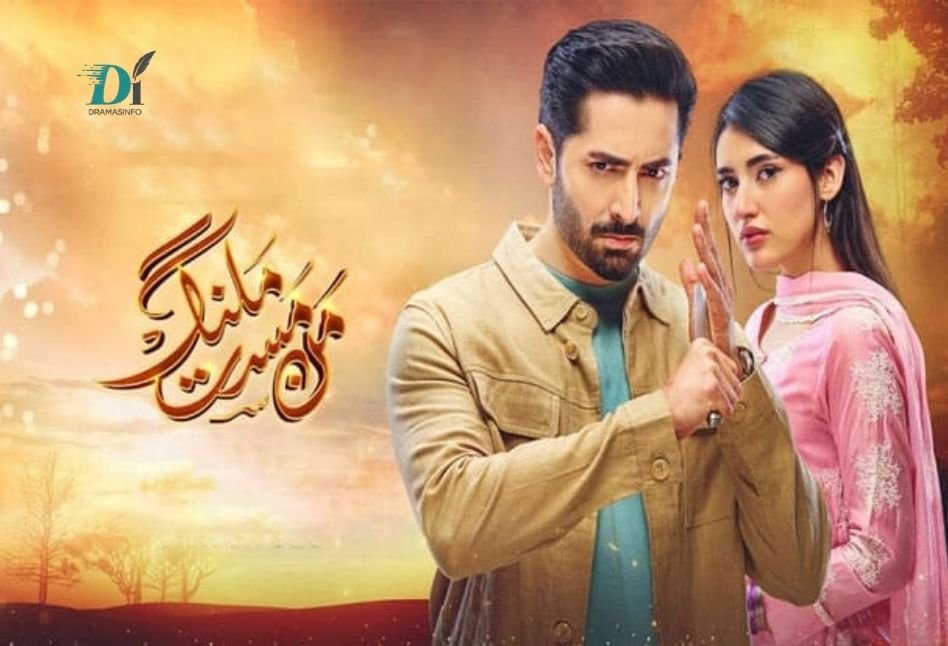
Publicity Poster
Profile
The vibe of the poster is ethereal but edgy, combining revolt and mysticism.
Use flaming reds (passion) that merge into deep blues (melancholy) and golden tones (freedom)
The Soul of Mann Mast Malang
These concepts are elevated into emotional sensations by Bollywood music:
Aamir Khan’s character dances atop moving automobiles in “Malang” (Dhoom 3, 2013), a Sufi-rock hymn that celebrates revolt and embodies wild abandon.
“Kun Faya Kun” (Rockstar, 2011): A qawalli that reflects the Malang’s pursuit of heavenly unity by fusing spirituality and worldly love.
“Ilahi” (Yeh Jawaani Hai Deewani, 2013) is a song that combines self-discovery with travel.
Characters and Cast
Ranbir Kapoor’s character Kabir is a tortured vagrant (Malang) seeking emancipation from his past.
Deepika Padukone’s character Zoya is a vibrant artist (Mast) who embodies unrestrained joy and defiance.
Irrfan Khan’s character Rohan is a recluse poet (Mann) who is plagued by existential agony and heartbreak.
Kabir is being guided towards atonement by a mystic mentor named Laila (Tabu).
Zoya’s brother, Vikram (Vicky Kaushal), is a liberation-symbolising revolutionary musician.
A posthumous homage to the legacy of Irrfan Khan.
Production Details
With a budget of ₹35 crore, Excel Entertainment produced Mann Mast Malang, which was directed by Imtiaz Ali.
Its Sufi-meets-rock soundtrack, which combines electric guitars and qawwalis, was created by A.R. Rahman.
Cinematographer Ravi Varman captured the ethereal grandeur of the deserts of Rajasthan and the valleys of Kashmir over a 60-day shoot.
Aarti Bajaj edited it, while Red Chillies handled the post-production visual effects.
Themes and Analysis
Love as Liberation vs. Entrapment:
The movie explores the dichotomy of love as a power that either liberates (Zoya’s rebellion) or destroys (Kabir’s remorse).
Existential Wanderlust:
Kabir’s itinerant lifestyle challenges social constraints (custom, job). The movie takes inspiration from Camus’ absurdism, which holds that the journey, not the destination, is what gives life value.
Sufi Mysticism & Modernity:
The mystic guide Laila (Tabu) connects modern anguish with Sufi poetry. The soundtrack by A.R. Rahman combines rock and qawwali songs, reflecting the conflict and eventual unification of modernism and spirituality.
Gender & Rebellion:
Vikram’s support of under-represented voices challenges patriarchal conventions in the movie, establishing rebellion as intersectional (gender, class, art).
Effect and Reaction
Love is used as a catalyst for personal development in films like Tamasha (2015) and Jab We Met (2007).
With its themes of revolt, it became a youth anthem and earned ₹120 crore.
Movies like Yeh Jawaani Hai Deewani blend travel and romance, framing wanderlust as a path to self-actualization.
Impact on Pakistani Television
Mann Mast Malang caused a cultural upheaval in Pakistan, as dramas such as Rang-e-Malang (ARY, 2024) incorporated its Sufi aesthetics and nomadic spirit.Lorem ipsum dolor sit amet, consectetur adipiscing elit. Ut elit tellus, luctus nec ullamcorper mattis, pulvinar dapibus leo.
Although its “Indian” influence sparked censorship issues, its popularity encouraged partnerships, such as Hum TV’s Dil Se Malang tribute series.
Seasons and Offshoots
Following its popularity, Mann Mast Malang gave rise to Malang: The Lost Years (2024), an Amazon Prime prequel that depicts Laila’s (Tabu) early years as a rebellious mystic.
Zoya’s Canvas (Disney+ Hotstar), a spin-off, explores her art advocacy. With Ranbir Kapoor, SonyLIV’s travelogue Rooh-e-Malang revisits movie locations.
Little Malang, a Netflix animated series, uses Sufi fables to appeal to children.
These subsidiaries broadened its scope by fusing ideology with business viability
In Conclusion
Its allure stems from providing audiences with catharsis—a dream where hearts soar, boundaries disintegrate, and every traveller discovers their truth—despite criticism for idealism.
These tales, which range from sad lovers to exuberant rebels, survive because they reflect our greatest desires: to live freely, love passionately, and make a difference in the world.
Commonly asked Question
What is meant by mast malang?
Although I’ve never heard of the word mast malang, it may refer to a carefree someone who has given up the world and is unaffected by anything.
What is Mann Mast Malang's story?
The narrative centres on Danish Taimoor’s character Kabir Khan and Sahar Hashmi’s character Riya, whose engagement is broken up by family disputes, making them enemies.
As time passes, events reunite them, compelling them to face their history and reevaluate their partnership.
Is it worthwhile to watch Mann Mast Malang?
I continued to watch in the hopes that things might improve, but each episode only made it more absurd.
Even if you can suspend disbelief, the narrative is completely nonsensical.
Who is Malang?
Meaning: A saint or mystic with a strong spiritual bent.Someone who is deeply committed to something.